
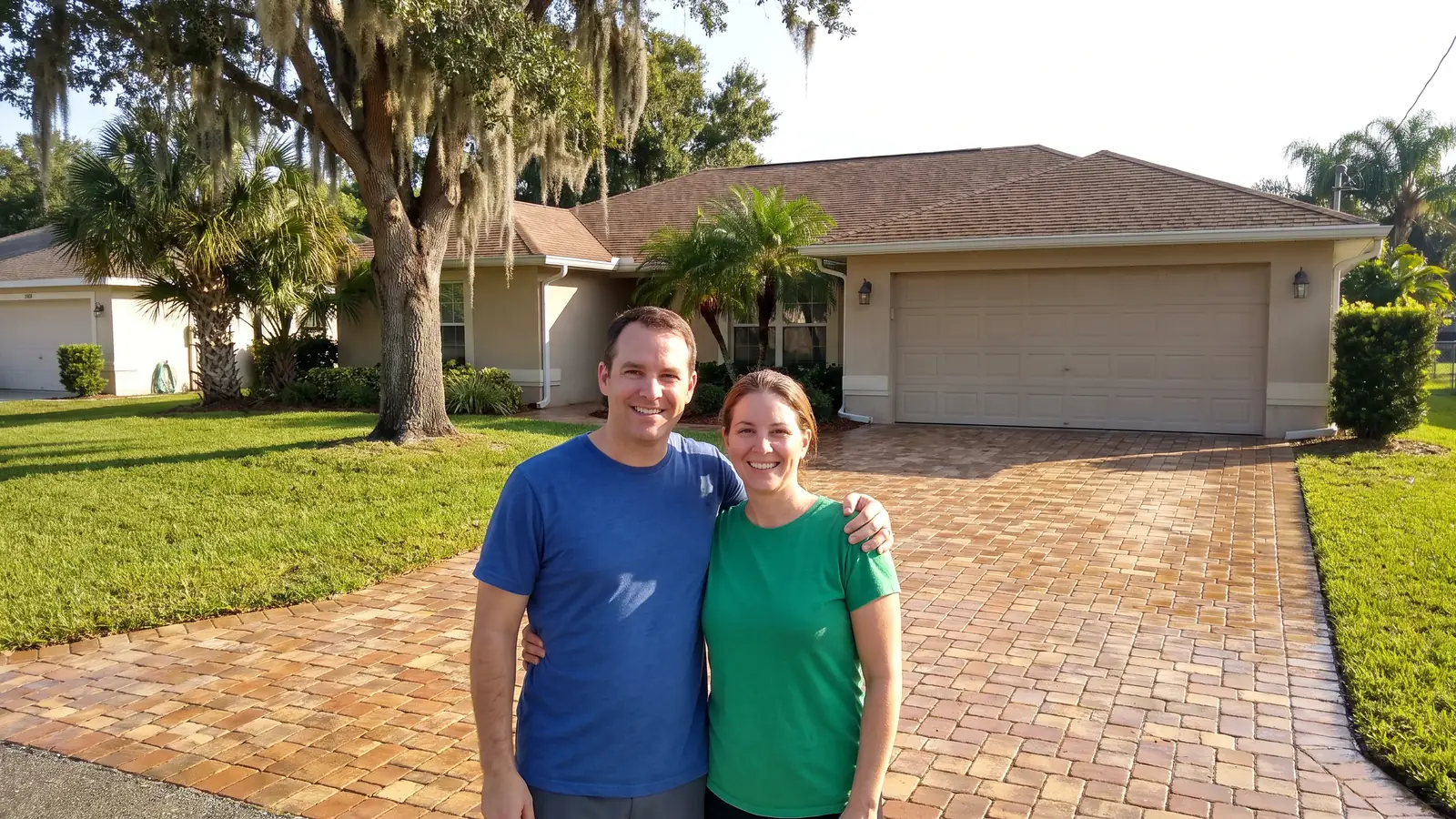
Paver sealing for Melbourne Beach homes
Paver Sealing in Melbourne Beach, FL
Melbourne Beach pavers live 13 feet above sea level, so call (321) 758-4207 for a free sealing estimate.
- Brings out deeper paver color
- Fresh joint sand helps lock pavers in place
- Gives weeds less room to grow
- Makes the surface easier to keep clean
- Free estimate, no obligation
Request a Free Estimate
Free, no obligation.
Fast, careful paver sealing in Melbourne Beach
Paver sealing in Melbourne Beach covers the river side, the blocks near A1A and the condos on either side of town, and the estimate is free. Island driveways, pool decks and entry walks get a wash, new joint sand and sealer from a local contractor. You can send the short estimate form now, and a reply follows within 1 business day, usually much sooner.
Salt and sun do their work slowly. After a few years your walkway turns chalky, the joints thin out and a gray film settles along the shaded edge. A wash, new sand and a coat bring the color back, and (321) 758-4207 is the number to call with questions.
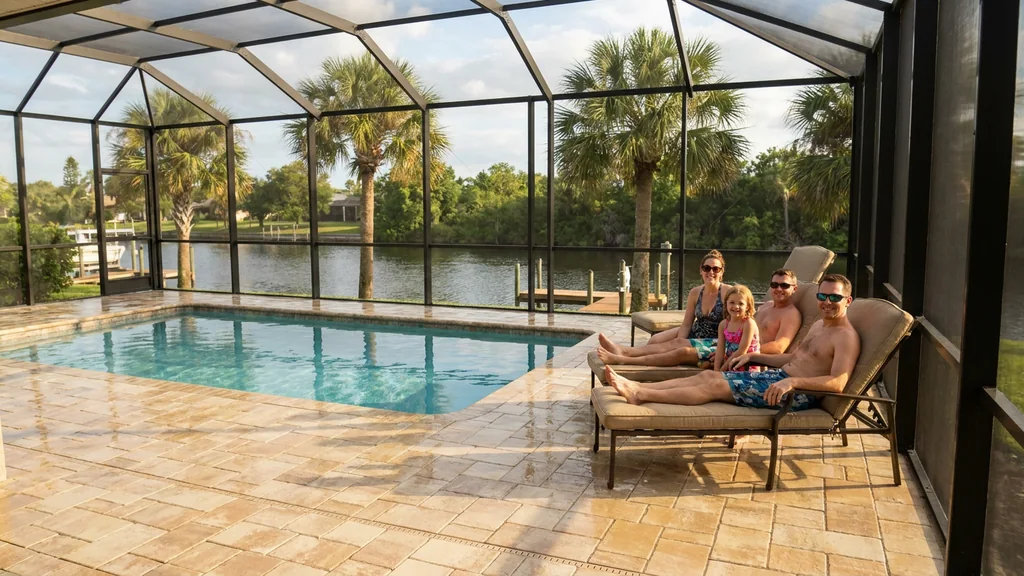
Why hire a local paver sealing contractor in Melbourne Beach?
Melbourne Beach is a small barrier island town with water on two sides, so sun, wind and salt reach every pool deck and driveway. To hear how a contractor plans for that, send the short estimate form.
A visit first
A contractor looks at your pavers and measures before any quote. The visit is free, with no strings.
The posted range
Companies in Brevard post $1.85 to $4.00 per square foot to clean, sand and seal. Compare each Melbourne Beach bid against it.
Matte or wet look
Matte grips underfoot and looks natural. A wet look adds depth. The choice is yours.
Planning around squalls
Island squalls pass quickly. You and the contractor pick a day, and a squall can move it.
Get Your Free Estimate in Melbourne Beach
Tell us about your pavers in Melbourne Beach.
Free, no obligation
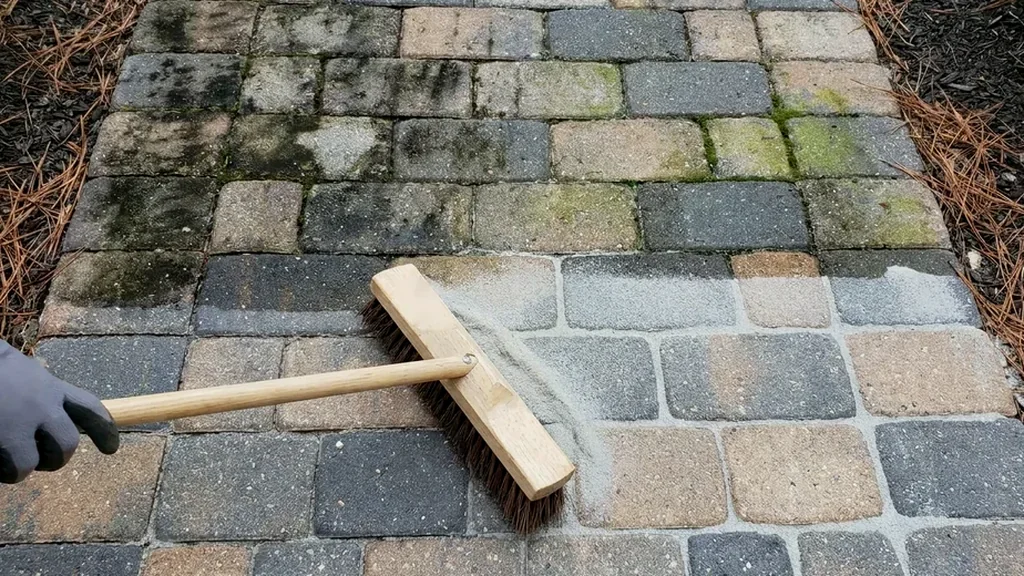
What paver problems show up most in Melbourne Beach?
Salt from the ocean and the river
Melbourne Beach sits between the Atlantic and the Indian River Lagoon, with water close on both sides. A Melbourne Beach paver company says salt air and sun break sealer down faster here than inland. A careful rinse before sealing matters, and a shorter wait between coats is normal. Ask how the contractor handles the final rinse. If your pavers sit within sight of the water, tell the contractor, since that affects how long the rinse runs and how soon the next coat is planned. A pool deck by the water may see more splash and salt than a front walk, so each area gets its own plan. The town covers only about a square mile of land, so even river-side streets sit close to the ocean side.
Sand that blows onto the surface
A barrier island home sits close to dune sand, and wind moves that sand onto driveways and into the joints. Grit scuffs a finish and fills the seams, which can leave joints looking uneven. A full wash and fresh joint sand reset the surface before a coat goes on. A matte finish hides some of that light scuffing better than a glossy one, which is one reason many island owners pick it. Ask for a small sample of each finish before choosing. Sweeping the joints twice, once after the wash and once at the end, is common on island jobs. Because the island is narrow, even homes on the river side can feel the ocean breeze.
Low ground that holds water
The town sits at about 13 feet above sea level, and about a fifth of its area is water. After a heavy storm, water can stand on a flat driveway or pool deck. Damp pavers grow green film, and sealer over it would trap it, so the wash comes first. Look at the low corners of your driveway and any dip near the pool deck. Those spots hold water longest, and a contractor will give them extra time to dry before sealer goes on. Sea grass and salt-tolerant plantings sit near many drives, so ask how the contractor protects them during the rinse. A flat deck by a pool drains slowly, so the low corner gets the most attention.
Older homes with older pavers
A paver company citing the county tax roll says the typical home in the Melbourne Beach area dates to 1988, with about 77 percent built before 2000. Pavers that old have lost sand and picked up many coats. Ask how an unknown old coat is identified, because water-based sealer cannot go over solvent-based. A look at the joints and edges tells the contractor whether sand and a coat are enough or whether a few settled pavers need work first. A coat preserves a low spot, it does not lift it. A small test patch can show how a new coat behaves. Wind can push sealer mist, so a calm morning is a good day to work.
A wet September and a dry spring
NOAA normals show about 46.5 inches of rain a year in Melbourne Beach, with September the wettest month at about 7.6 inches and March the driest at about 1.7. Sealer needs a dry surface, so spring is an easy time to schedule a coat and late summer is a hard one. Booking in spring leaves room if a shower moves a day. A backup day named in the estimate means no guessing about when the driveway opens. Coastal pavers that sit in full sun may see the first signs of wear within two or three years. NOAA normals put March near 1.7 inches of rain, so a spring job faces the calmest odds of the year.
Does a Melbourne Beach home near the dunes need different paver care?
A little, yes. Homes closer to the ocean see more salt and blown sand, while homes on the river side see more damp air and shade. Both get plenty of sun. If you are not sure which side your street falls on, you can send the short estimate form and describe it, and the contractor will plan from there.
Along State Road A1A, the town gives way to Archie Carr National Wildlife Refuge, a 20-mile stretch of protected beach. That setting means plenty of sand, wind and open sky around your pavers. A contractor who has worked on the island knows to ask about all three. Call (321) 758-4207 to book a look.
North and south of town, many condominiums sit outside the town limits, and those owners often deal with an association. If you live in one, check whether the association needs notice before pavers are washed or sealed. Share any finish rule with the contractor, and then send the short estimate form to set a time. Condominium owners may need a sample of the finish for an architectural committee, which is worth asking about early.
The town covers about 1.3 square miles, and roughly a fifth of that is water. Few lots sit far from the lagoon or the ocean. Point out any spot on your pavers that stays damp long after the sun comes up. Call (321) 758-4207 when you want a contractor to look at it.
What does paver sealing cost in Melbourne Beach?
Coastal jobs sit inside the posted Brevard range, $1.85 to $4.00 per square foot with the wash, joint sand and sealer included. Salt film and sun-baked old coats can add work and raise the figure on a beachside quote. For a number on your property, call (321) 758-4207.
Ask the written quote to list the sealer, the finish and the square feet, with the rinse shown as its own line if salt is a concern. Open, clean pavers with easy access come in lower, since the crew spends less time on setup. When you are ready for a visit, send the short estimate form.
A paver company reading the county tax roll puts the typical home here at a 1988 build, with about 77 percent built before 2000. Old failing sealer is washed off, not coated over, and that wash belongs in the quote. Ask the contractor to look for old coats at the visit, and call (321) 758-4207 to book it.
| Paved area | Typical example | Clean, sand and seal |
|---|---|---|
| 300 sq ft | Small patio or walkway | $555 to $1,200 |
| 600 sq ft | Two car driveway | $1,110 to $2,400 |
| 1,000 sq ft | Large driveway or pool deck | $1,850 to $4,000 |
| 1,500 sq ft | Driveway plus pool deck | $2,775 to $6,000 |
Math based on the $1.85 to $4.00 per square foot that Space Coast paver companies publish. Your contractor sets the actual price after seeing the surface. Repairs, leveling and stripping failed sealer are usually extra.
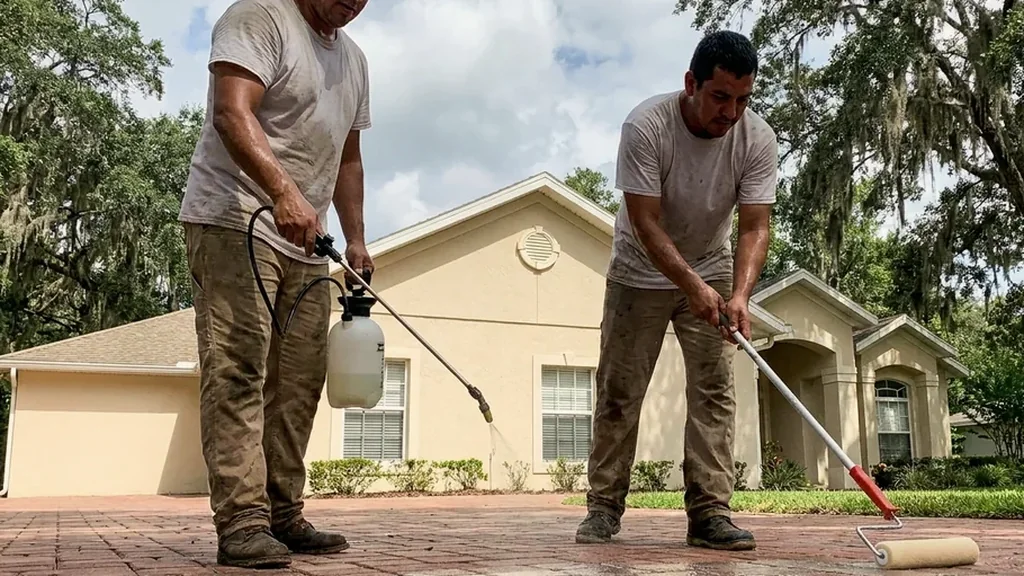
How does a paver sealing job work in Melbourne Beach?
Survey the property
The contractor measures, then notes where water drains, where sand collects and which side takes the most sun. Your quote follows by area, so you can see which parts of the property drive the price. Photos of the walkway and the pool deck in morning light help the contractor spot salt film, stain and thin joints before arriving.
Wash and salt rinse
Green film, stain and old grime come off, then a fresh water rinse clears the salt. A failing coat is removed at this stage, since sealer will not hold over it. Planting beds near the wash are kept clear of runoff.
Dry in full
Island humidity can slow drying. The contractor waits until the joints are dry before any sealer goes on. Sealing over damp pavers can leave a cloudy film, which is hard to hide and costly to redo.
Joint sand goes in
Fresh sand fills each joint and gets a last sweep near the end of the job, since wind moves loose sand around. Full joints help water run off instead of pooling on a flat deck or drive. Wind can drift loose sand across a freshly swept deck, so the contractor sweeps once more before the first coat and checks the edges.
Seal and check
Even coats go on, usually two, and then you inspect the finished job together. Cars stay off for about 72 hours if the contractor advises it. Mention any spot that looks thin, and it can be touched up before the crew leaves. Plantings close to the walkway are covered or moved aside before the coat goes on, and any overspray is wiped away while it is still wet.
Complete paver services in Melbourne Beach
Island jobs follow a set order: wash, salt rinse, dry, sand, seal. The salt rinse is the step that inland jobs can skip. Ask for each step in writing by choosing to send the short estimate form, and compare it with any other quote you hold.
Pool decks near the water, brick driveways and shaded entries each take sun and salt differently. A contractor should size up each one before choosing a product. Describe yours when you call (321) 758-4207, and mention which spots stay damp the longest.
Sealer choice starts with the old coat. Water-based sealer does not go over solvent-based sealer, so the old product is identified first. Matte or wet look follows. You can send the short estimate form to talk through both and hear how each wears near salt air.
Spring is the easy season on the island. NOAA normals show March as the driest month and September as the wettest. A Brevard company says sealer is rain ready in about an hour. Call (321) 758-4207 to ask about open dates in the drier months.
Questions to ask before you hire
- Can I pay after I have walked the finished job with you?
- How do you measure the square footage for my quote?
- How soon can I put furniture back on the patio and park on the driveway?
- Can you get rust stains from well water sprinklers out before you seal?
- Do you sweep in polymeric sand after the wash?
- Will your insurance company send me your certificate directly?
- Will the written estimate name the sealer and the finish?
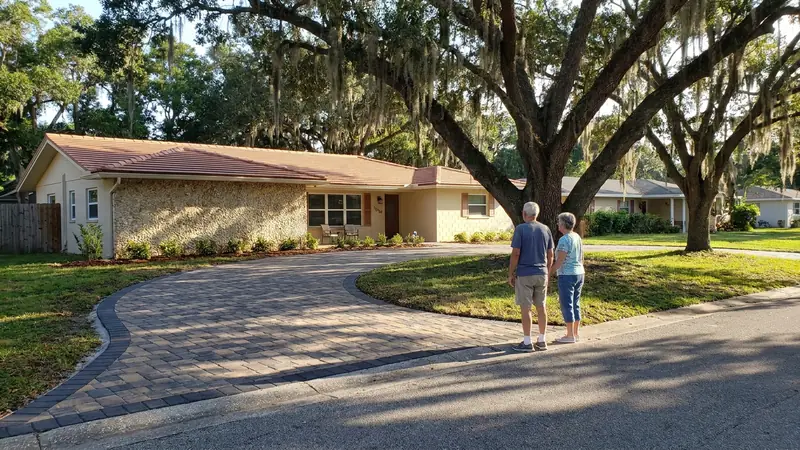
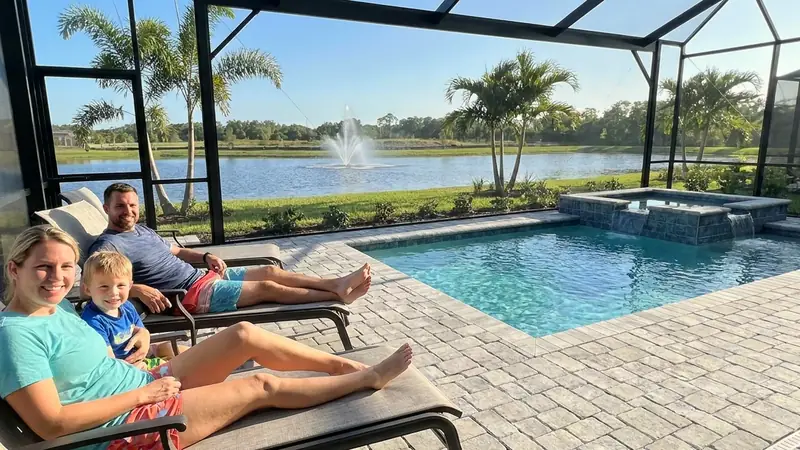
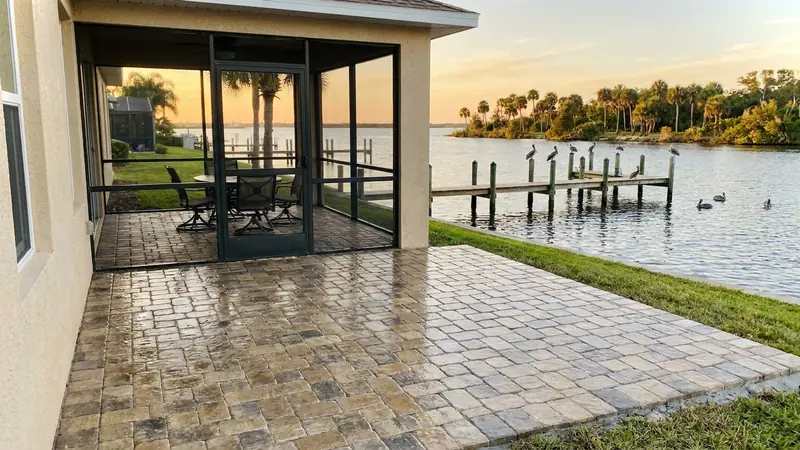
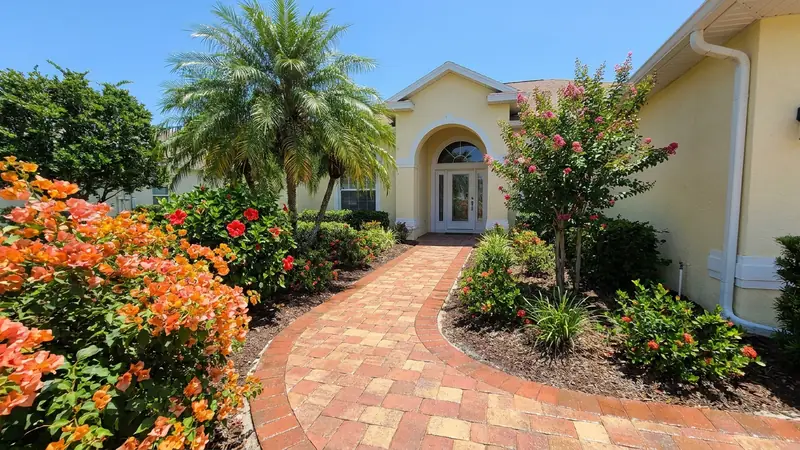
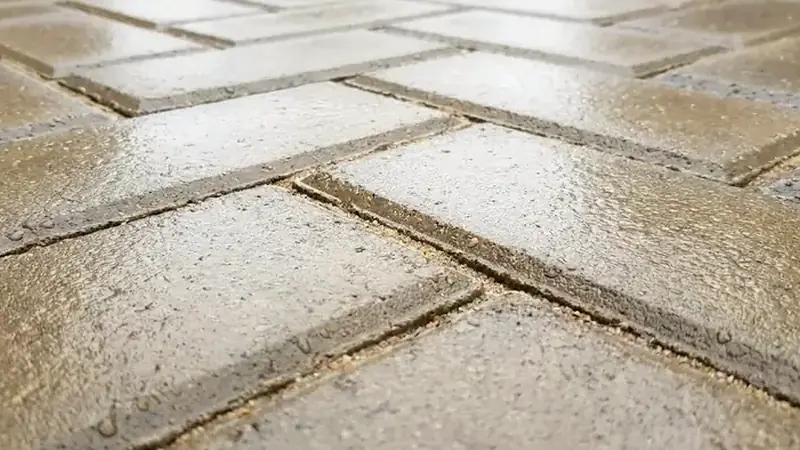
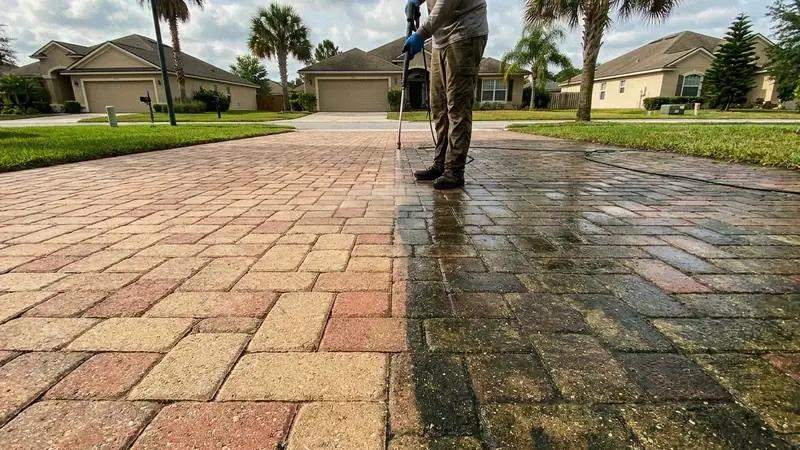
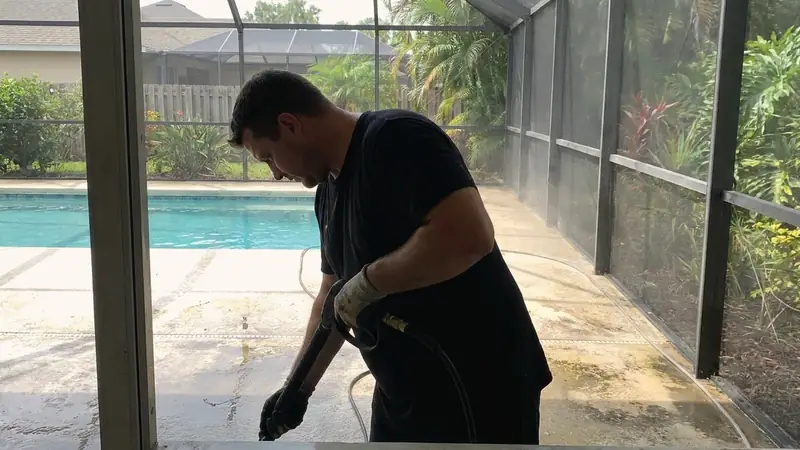
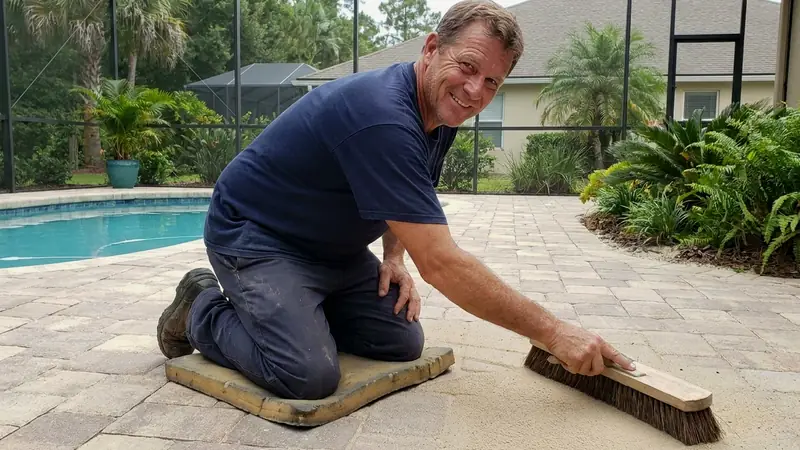
What do sealed pavers look like around Melbourne Beach?
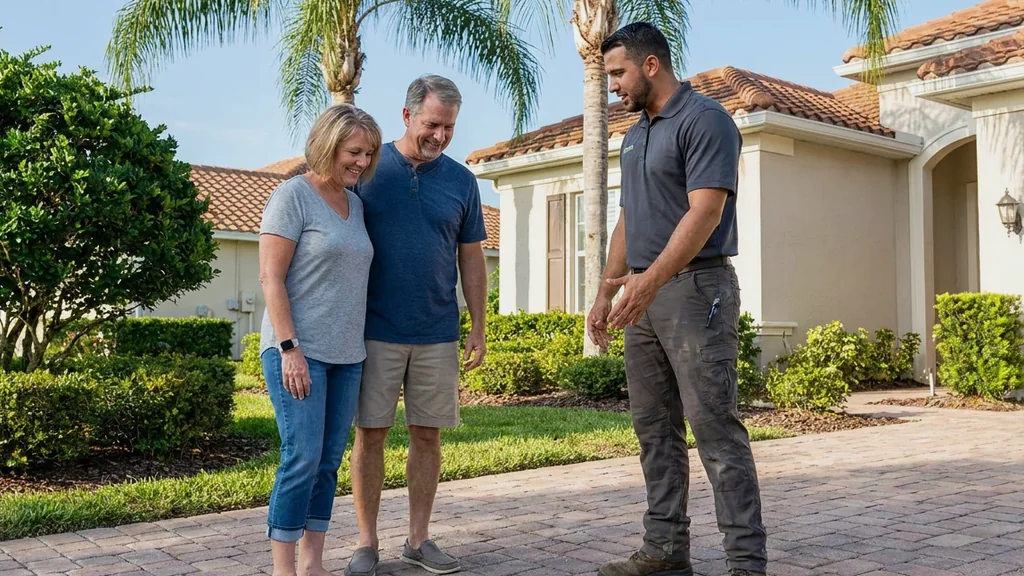
Why local matters in Melbourne Beach
Island weather changes fast, and squalls pass in minutes. A contractor who works the beaches keeps one eye on the radar and picks calm mornings for coats. That habit protects a fresh finish. To ask about your street, call (321) 758-4207.
The town is small, with the causeway at one end and condominium stretches north and south. A contractor who works the island knows which blocks stay damp and which dry quickly. If you want to ask about yours, send the short estimate form and name your cross street.
Being close also helps when plans slip. If a squall moves a day, or you want to walk the job after rain, the drive is short. You are not waiting on a crew from far inland. Call (321) 758-4207 to ask how rescheduling works.
NOAA normals put the yearly rainfall near 46.5 inches, with September the wettest month. A contractor who knows that pattern keeps late summer dates loose. Ask what happens if the forecast turns, and call (321) 758-4207.
Why does it matter that Melbourne Beach is a 1923 town on a barrier island?
It tells you the homes are older and the setting is exposed. Melbourne Beach was settled in 1879 around the Oak Lodge hotel, and the Melbourne Causeway linked it to the mainland in 1921. The town incorporated in 1923 and is called Brevard's oldest beach community. To ask about an older home, send the short estimate form.
Today it is mostly homes, with an elementary school, a few businesses and a statue of Ponce de Leon at the landing named for him. Archie Carr National Wildlife Refuge starts just south, where sea turtles nest by the thousands. The island runs about 40 miles from Cape Canaveral to Sebastian Inlet, with water on both sides. Call (321) 758-4207 to talk through your pavers.
The 2020 census counted 1,595 housing units in town, and 13.2 percent of them were vacant. If your home sits empty part of the year, tell the contractor how often you visit. Then send the short estimate form and pick a day that suits you.
The refuge's Barrier Island Center sits at 8385 S Hwy A1A, with a three-quarter-mile trail through maritime hammock to the beach. If you live near that stretch, give the contractor your cross street when you call (321) 758-4207.
Frequently Asked Questions
Which signs say Melbourne Beach pavers are due for a new coat?
Plan on a coat every two to three years on the island, as one Melbourne Beach company does, since salt air and sun wear sealer faster near the coast. Shaded edges may need a wash in between. Ask for the schedule in writing at the estimate, so you know when each coat is due. The estimate visit is the right time to set that plan.
What is the average cost to seal pavers in Melbourne Beach?
Brevard companies post $1.85 to $4.00 per square foot for the wash, joint sand and sealer, and Melbourne Beach jobs fall inside that. Size, condition and salt film move the number. The free estimate names one figure, with the sealer and the finish spelled out. A big open area can cost less per foot, and a small stained patio can cost more.
Is there a downside to sealing pavers in Melbourne Beach?
A few. Rain can move a job, a wet look shows scuffs sooner than matte, and every coat wears down. Washing also strips joint sand, which gets replaced before sealing. Quotes of two to five years between coats are typical, so a plan for the next one is worth having. Ask which of these apply to your pavers, since age and exposure change the answer.
Is it better to spray or roll paver sealer in Melbourne Beach?
Contractors use both, and the product and the surface decide which. On a breezy island morning, how the coat is kept even matters more than the tool. Ask what the plan is for wind and for the number of coats. A quiet morning with light wind is the right time for the final coat on the island.
How much does it cost to seal outdoor pavers near the beach?
The posted range is the same $1.85 to $4.00 per square foot. Salt film and old coats add work before sealing. A free estimate separates the wash, the sand and the sealer, so you can see each part. A fresh water rinse is the line item worth looking for, and it should appear by name on a coastal quote.
Does salt air shorten sealer life in Melbourne Beach?
Yes. A Melbourne Beach company says coastal salt and sun break sealer down faster than inland, which is why the wait between coats runs shorter here. A careful rinse during the job helps. A free estimate can plan both, and a patient dry time is the other line to ask about.
Can a condo near Melbourne Beach get paver sealing?
Yes. Many condominiums sit north and south of town, and free estimates are open to them. Check with your association about notice or finish rules first, then tell the contractor what they say. Condo decks often share one surface, so the estimate may cover a larger area than a single home. Mention the building name or the complex, and access is easier to plan.
How fast will a contractor reply in Melbourne Beach?
Replies to Melbourne Beach homeowners come within 1 business day, usually much sooner. The visit and estimate are free, with no obligation to hire. Tell the contractor what the pavers look like and which side of the island you are on. The next step is a visit, once you describe the property.
Ready for a Free Estimate in Melbourne Beach?
Call (321) 758-4207 and tell us about your pavers.
Free, no obligation