
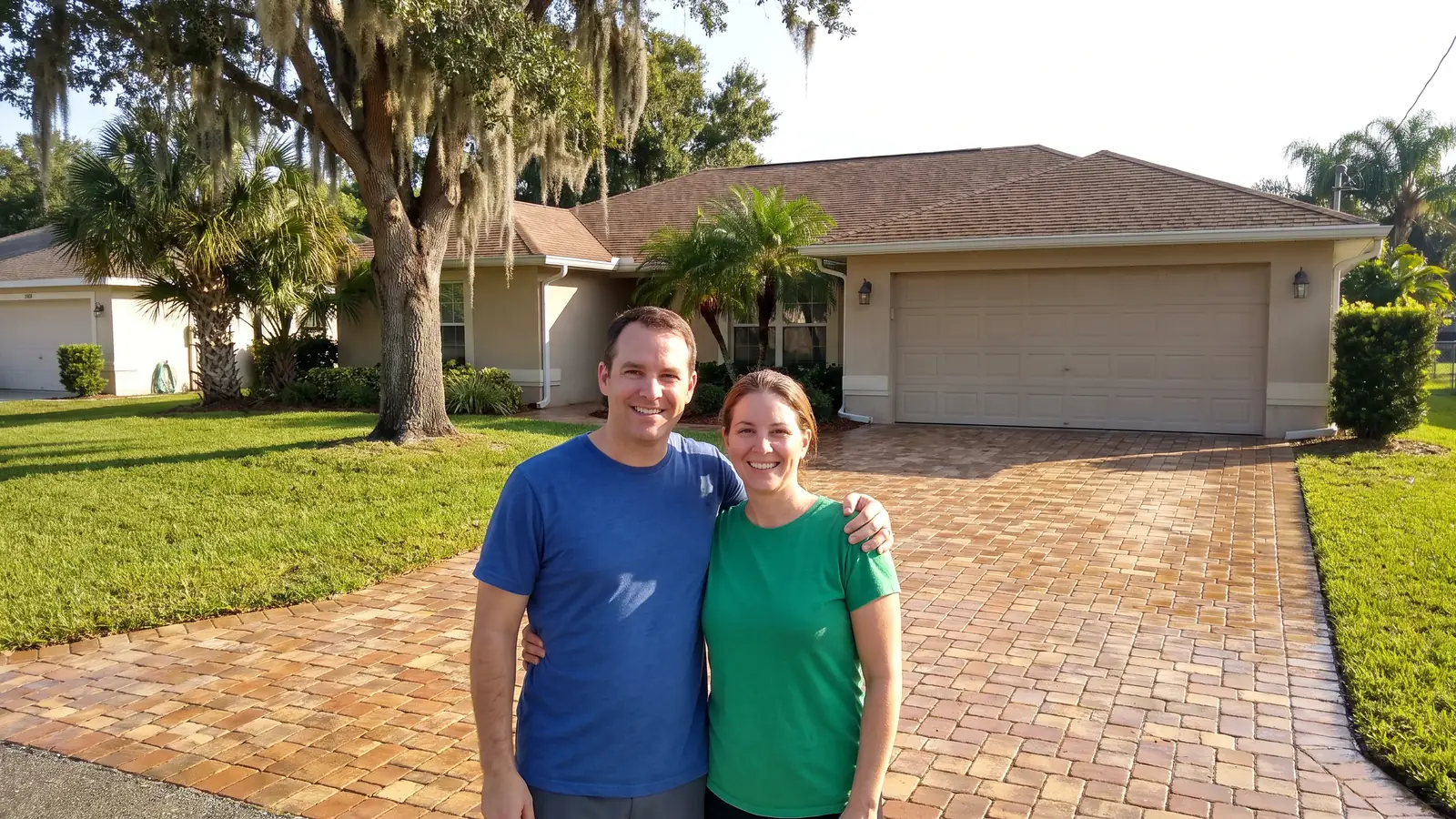
Paver sealing for Melbourne homes
Paver Sealing in Melbourne, FL
Melbourne gets 51 inches of rain a year, so call (321) 758-4207 to pick a dry window and a free estimate.
- Brings out deeper paver color
- Fresh joint sand helps lock pavers in place
- Gives weeds less room to grow
- Makes the surface easier to keep clean
- Free estimate, no obligation
Request a Free Estimate
Free, no obligation.
Fast, careful paver sealing in Melbourne
Paver sealing is available across Melbourne, from the old downtown streets to the Eau Gallie shore and the Beachside, and the estimate is free. A local contractor handles the wash, the sand and the sealer on driveways, decks and walks. After you send the short estimate form, you can expect to hear back within 1 business day, usually much sooner than that.
October brings the dry season to Melbourne on average, and that is when many owners book a coat. If your pavers are gray, thin at the joints or stained, a wash and a sealer fix all three. Call (321) 758-4207 to talk about a date, or to describe what you see.
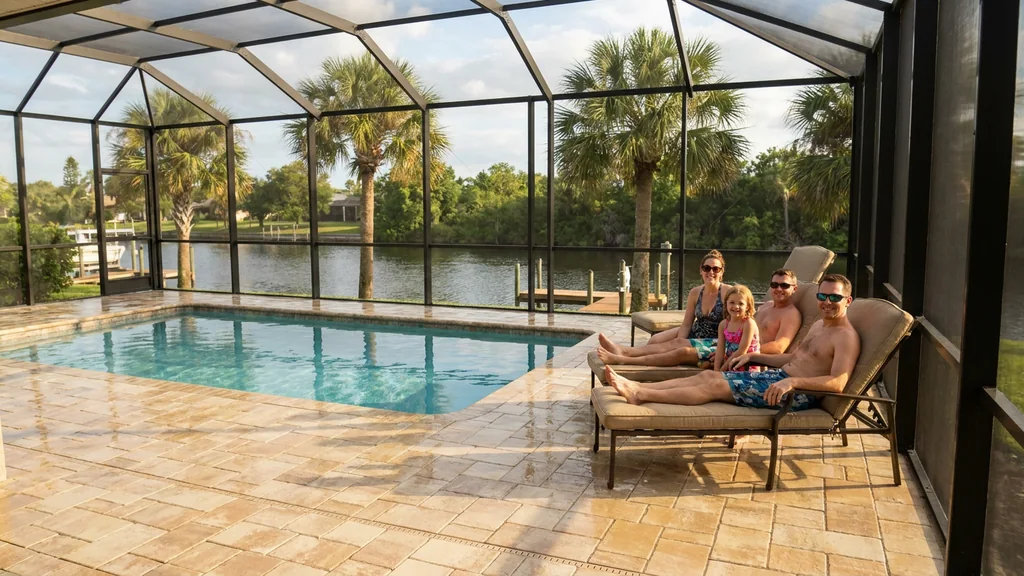
Why hire a local paver sealing contractor in Melbourne?
Melbourne gets about 51 inches of rain a year, and most of it falls in one long season, so the calendar matters as much as the product you pick. To plan a job around the weather, send the short estimate form.
Estimate in person
A contractor comes out, looks and measures your Melbourne pavers. You get a free written quote with no strings attached.
Know the range
Brevard prices run $1.85 to $4.00 per square foot for wash, sand and seal. Measure every Melbourne quote against it.
Pick your sheen
Matte is calm and forgiving. A wet look pulls out more color. Either way, you choose before work starts.
Plan around the rain
The wet season starts in late May on average. Booking in the dry months keeps the job on schedule.
Get Your Free Estimate in Melbourne
Tell us about your pavers in Melbourne.
Free, no obligation
What paver problems show up most in Melbourne?
Low ground near creeks and the lagoon
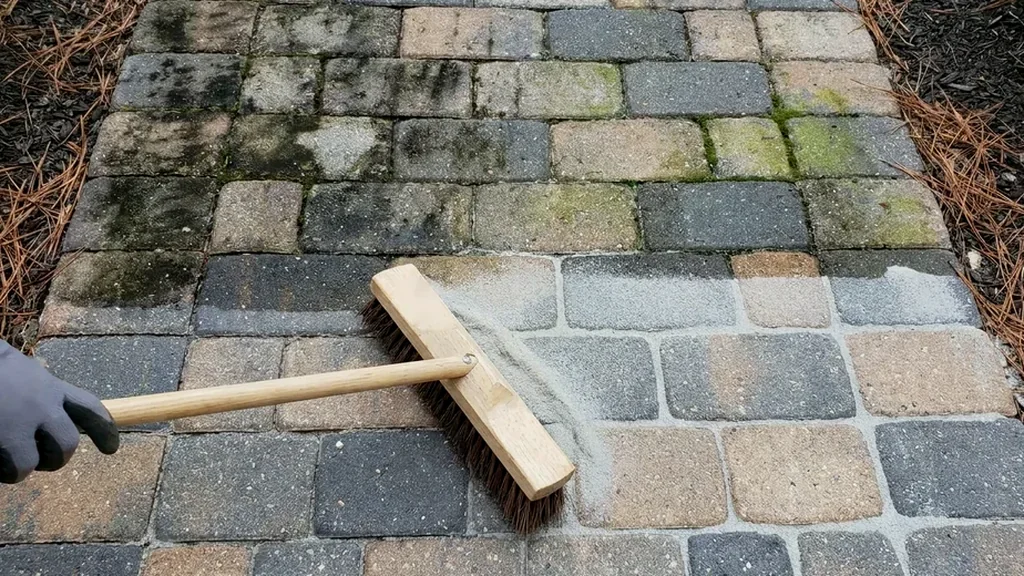
Melbourne is about 14 percent water, with Crane Creek and the Indian River Lagoon running through the east side. Pavers on low lots near the water can stay wet well after a storm. Wet joints grow green film, and sealer over green film traps it, so a wash always comes first. Look at the low corner of your driveway and any spot where water sits after a storm. That is where silt and green film show up first, and where a contractor will spend the most time with the wash. Standing water near a downspout or a swale is worth flagging on the first call. If a swale or storm drain sits close to your drive, mention it on the first call.
Salt and wind on the Beachside
A small part of Melbourne sits on the barrier island. A Melbourne Beach company says coastal salt and sun wear sealer down sooner than inland. If you live Beachside, expect a shorter life between coats than a home inland. Rinse water is also part of the plan near the beach, since salt left on the surface can cloud a fresh coat. Ask how the contractor handles the final rinse on a Beachside job. Salt rinse and a patient dry time are the two steps that Beachside owners should ask about by name.
Pavers laid in many different decades
Melbourne was rebuilt downtown after a 1919 fire and doubled in size when Eau Gallie joined it in 1969. Homes here span the early frame houses through the postwar growth along Babcock Street and newer subdivisions. That means every driveway has its own history, and a look before a quote matters. A quick look at the joints and edges tells the contractor whether sand and a coat are enough or whether a few settled pavers need attention first. A coat only preserves a low spot, it does not raise it. Pavers from different eras can share one driveway after repairs, so ask how mismatched sections are handled.
Rust arcs from irrigation
UF/IFAS says most Florida well water carries iron that leaves orange stains on whatever it touches. A sprinkler that reaches a driveway can leave curved marks that a new coat will not hide. Tell the contractor where your heads point so stains are treated first. Rust is easier to treat before sealing than after, so mention it at the estimate. If the heads can be adjusted, that keeps the new finish clean for longer. Irrigation timers can be set back for a day or two around a job, which is worth asking about.
A wet season that lasts four months
The National Weather Service puts the average start of Melbourne's wet season at May 28 and the dry season at October 17. Sealer needs a dry surface, so summer jobs depend on short clear windows. The cooler dry months give much more room. Booking early in the dry season leaves room if a shower pushes the day back. The estimate can name a backup day so you are never left guessing about when the driveway is free again. If your schedule is flexible, ask for the first dry week in October. Melbourne's long wet season means a good contractor keeps a short list of backup days.
Is paver sealing different for Melbourne homes inland and on the Beachside?
Does the lagoon split Melbourne into two wear patterns?
Yes, somewhat. Downtown Melbourne and most of the city lie inland of the lagoon, where sun, shade and sprinklers do most of the wear. A small part sits on the barrier island, where one local company says salt air and sun break sealer down sooner. If you are unsure where your street falls, send the short estimate form.
What do older inland streets show first?
Inland, the older streets near downtown and Eau Gallie have pavers with the longest histories. Wear there shows up as thin joints and a chalky face. Newer inland subdivisions tend to show fade and sprinkler marks first. The contractor can tell you which you have at the visit, so call (321) 758-4207 to set a time.
Why mention cross streets when you call?
Wherever you live, the street grid helps. Brevard Drive and Babcock Street were the old center lines for addresses, and most of the city sits on a simple north to south pattern. Mention your cross streets when you call, and the contractor can plan a drive. You can send the short estimate form with those two streets in mind.
What does paver sealing cost in Melbourne?
What shapes a Melbourne price per square foot?
Melbourne work falls inside the posted Brevard range of $1.85 to $4.00 per square foot for wash, sand and seal. Three things set your number: how big the area is, how worn the pavers look and how much washing they need. A free estimate gives one figure, so call (321) 758-4207.
Which extras raise the number?
Green growth and old failing sealer add work. Clean pavers with open access cost less, and big flat areas can cost less per foot. Ask that your quote name the sealer, the finish and the square feet, and then send the short estimate form to set a visit.
| Paved area | Typical example | Clean, sand and seal |
|---|---|---|
| 300 sq ft | Small patio or walkway | $555 to $1,200 |
| 600 sq ft | Two car driveway | $1,110 to $2,400 |
| 1,000 sq ft | Large driveway or pool deck | $1,850 to $4,000 |
| 1,500 sq ft | Driveway plus pool deck | $2,775 to $6,000 |
Math based on the $1.85 to $4.00 per square foot that Space Coast paver companies publish. Your contractor sets the actual price after seeing the surface. Repairs, leveling and stripping failed sealer are usually extra.
How does a paver sealing job work in Melbourne?
Look and plan the week
The contractor measures, notes shade and sprinklers, and checks the forecast with you. A week with dry mornings gets chosen. The written quote lists each surface and what is planned for it, so you can compare it fairly with other bids.
Wash
The wash lifts green film and stain and pulls out old joint sand. Failing sealer comes off now, because a new coat will not hold over it. Heavy stain gets its own treatment before the surface is allowed to dry.
Dry
Pavers need time to dry in full. Humid Melbourne mornings can stretch this out, so the joints are checked first. Sealer over damp pavers can cloud, which is why a patient contractor beats a fast one at this step.
Sand
Each joint gets refilled with fresh sand, then the surface is brushed clear. That locks the pavers together, helps water drain and slows weeds. Pavers by a pool or a downspout get a second look, since water carries sand away there first.
Seal
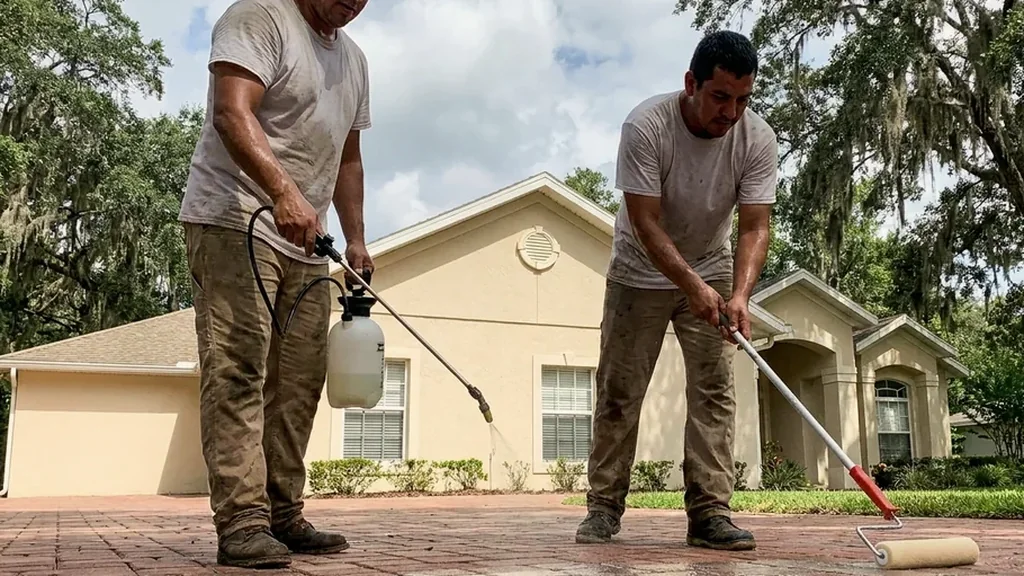
Sealer is rolled or sprayed in even coats, usually two. A final walk with you closes the job. A Brevard company asks owners to keep cars off for three days, so ask the contractor what applies to the product used.
Complete paver services in Melbourne
What four moves does a Melbourne job include?
Four moves make up a Melbourne job: wash, dry, sand, seal. Skip one and the coat suffers. Each move can be listed in your estimate, so send the short estimate form and ask for that list. You can then compare it with any other quote on your table.
How does each surface change the plan?
Driveways take tires and sun, pool decks take splash and bare feet, and courtyards stay shaded. Each surface gets its own look before a product is picked. When you call (321) 758-4207, list every surface you want included, and note which ones stay wet longest after rain.
Why does the old coat decide the new one?
Old coats decide new coats. Water-based sealer cannot go over solvent-based sealer, so a contractor needs to know what is down. Finish comes next, matte for calm or wet look for color. You can send the short estimate form and talk through both before a day is picked.
When does the calendar help most?
Calendar first, then everything else. A Brevard company says September through May has less humidity and less rain, and that sealer is rain ready in about an hour. Booking in those months leaves room for a second try if a shower comes. Call (321) 758-4207 to choose one.
Questions to ask before you hire
- Can I pay after I have walked the finished job with you?
- Will the cleaning take out the green algae along my screened lanai and pool deck?
- Will the written estimate name the sealer and the finish?
- Have you worked in HOA communities that limit how glossy a finish can be?
- Does the price cover the wash, the joint sand and any pavers that need resetting?
- How many coats of sealer will my pavers get?
- What do you do about afternoon storms, and how long should the sealer stay dry?
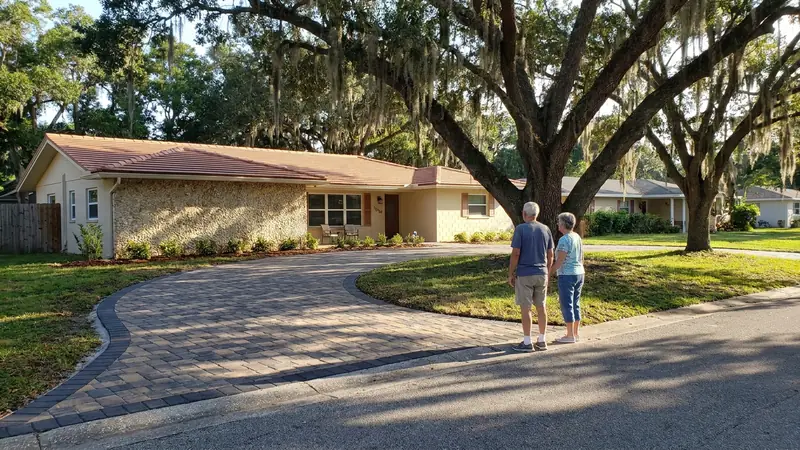
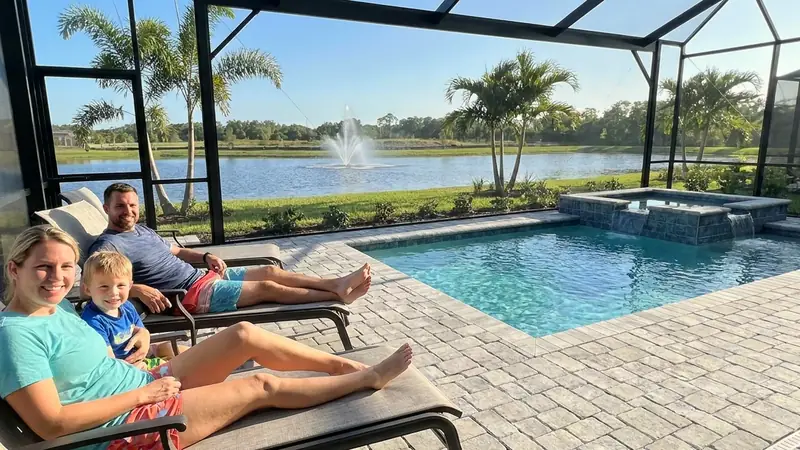
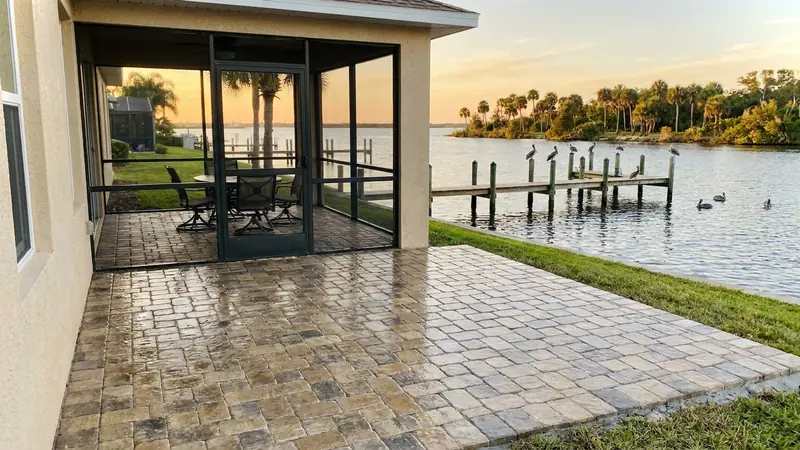
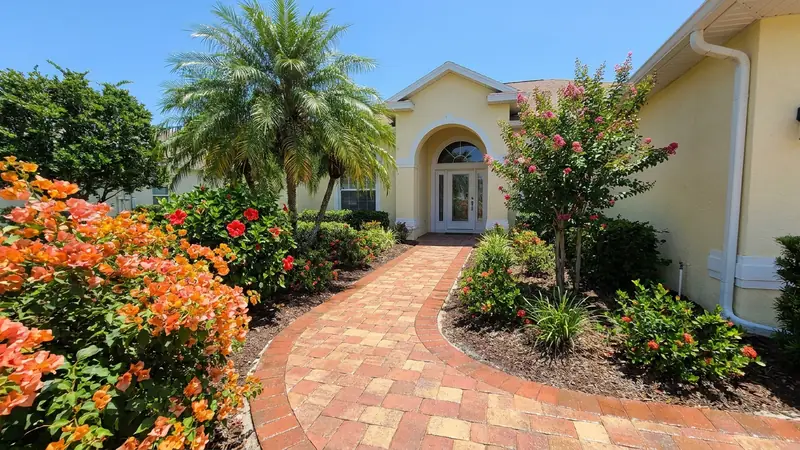
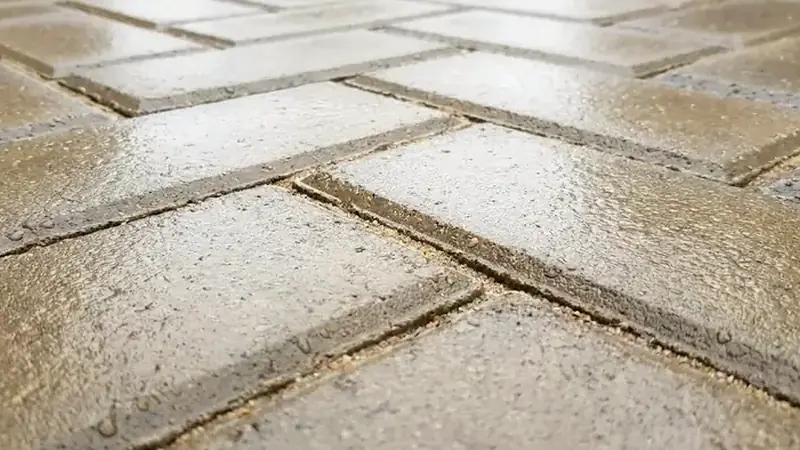
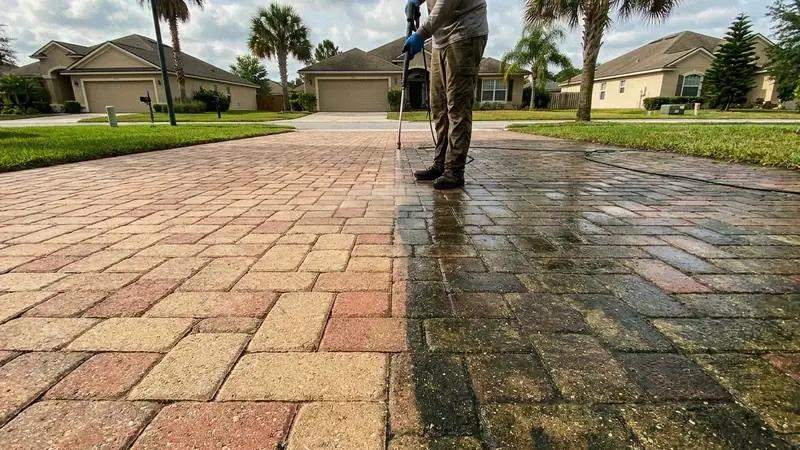
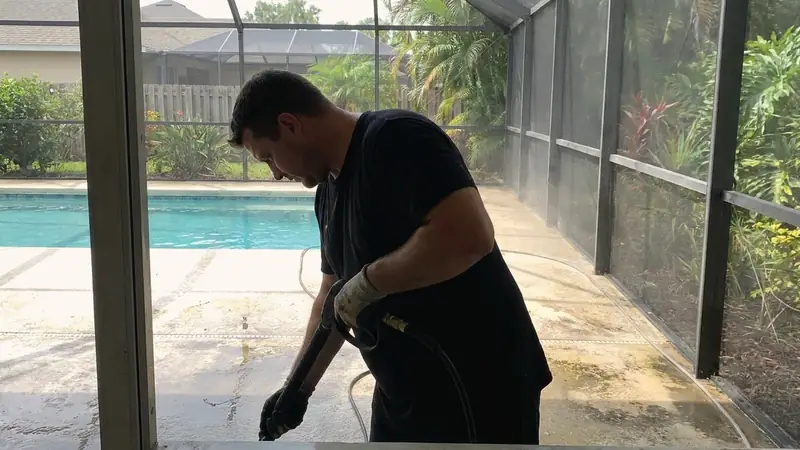
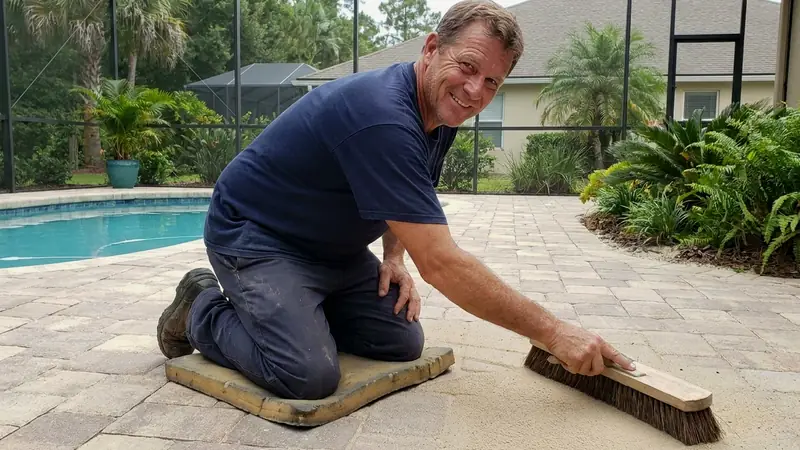
What do sealed pavers look like around Melbourne?
Why local matters in Melbourne
What does a Melbourne afternoon do to a work day?
Space Coast weather can turn in an hour, and a contractor who works here every week plans for that. A morning wash, a midday dry and an afternoon coat make a good day, while a storm at two o'clock does not. Booking with someone local means the schedule bends sensibly. To pick a week, call (321) 758-4207.
Why does a long narrow city matter to the schedule?
Melbourne is long and narrow along the lagoon, with Eau Gallie at the north end and the Beachside to the east. A contractor who drives it daily knows which streets drain slowly. If you want to ask about yours, send the short estimate form and name the cross streets.
Who answers if a spot needs a second look?
Staying local also keeps follow-up simple. Should a spot need attention after the first big storm, a short drive makes that easy, so ask who to call and how fast they answer. You can send the short estimate form to ask how that works.
What should a Melbourne homeowner know about the 1969 merger and the street grid?
What did the 1969 merger leave on the map?
Melbourne is two old towns that became one. Eau Gallie, named for the rocky shore along the lagoon, voted to merge with Melbourne in 1969, and the merger doubled the city. Eau Gallie had been Brevard's county seat from 1874 to 1878 and later a yacht harbor. To ask about homes in either half, send the short estimate form.
How did Crane Creek and Front Street shape the old center?
The older Melbourne grew around Crane Creek, where the first settlers came, and downtown near Front Street was rebuilt after a fire in 1919. Babcock Street became the main road north in the 1950s, and the old center lines still guide addresses. That mix of eras is why pavers here vary so much. Call (321) 758-4207 to talk about yours.
Frequently Asked Questions
How many years pass between Melbourne sealer coats?
Two to five years between coats is typical for Melbourne jobs. A Melbourne Beach company plans on roughly every two to three years, because salt air and sun wear sealer faster near the coast. Inland pavers in the shade may need a wash between coats. Ask for the schedule in writing so you know when each coat is due. Whether the driveway is inland or on the Beachside changes the answer a little.
What is the water quality in Melbourne, and does it matter for pavers?
For pavers, the useful question is what water leaves behind. Irrigation water with iron can leave orange marks on a driveway, and UF/IFAS says most Florida well water carries iron. Tell the contractor where your sprinklers point so stains are handled before sealing. Ask also what your water leaves on pavers, since that changes the order of work. Pavers by a pool often need the most careful dry time, so say so on the first call.
Does a Melbourne contractor need a license to pressure wash pavers?
Rules can differ by the type of work, so ask any contractor what licenses and insurance they carry and ask to see proof. A reliable contractor will not mind the question. Put the answer in writing along with the estimate. Keep a copy of any document the contractor shows you. Sheen is a matter of taste, and the contractor can show how each looks on a patch.
How much does it cost to pressure wash and seal pavers in Melbourne?
Posted Brevard prices run from $1.85 to $4.00 per square foot for the wash, the sand and the sealer. Your price depends on the size, the pavers' condition and how much washing they need. A free estimate gives one number for your Melbourne property. Compare each bid line by line, and check that the sealer and finish are named. Large areas can cost less per square foot, while a small, heavily stained patio can cost more. A careful contractor watches the radar as well as the forecast.
When is a good time of year to seal pavers in Melbourne?
Many Brevard companies prefer September through May for lower humidity and less rain. The National Weather Service puts Melbourne's average dry season start at October 17. Sealing can happen in summer too, but storms can move the day. Starting in October gives the most room for dry mornings. The contractor can also explain how a fall start helps if a late storm moves a day.
Can sealing be done on the Beachside part of Melbourne?
Yes. Salt air and wind are the main differences there, and one local company says they wear sealer faster than inland. Expect to talk about a shorter time between coats and a careful rinse. A free estimate covers it. A careful final rinse matters a great deal near the coast, so ask about it at the estimate. It also helps to ask whether a rinse with fresh water follows the wash, because that step clears salt from the surface before the pavers dry. Beachside owners often choose matte for grip, and inland owners often choose a wet look for color, though either works anywhere.
Should I seal my pool deck pavers in Melbourne?
Pool decks take splash, foot traffic and sun, so many owners include them. The contractor looks at the deck first and picks a finish that is not slick. Ask about both the finish and the dry time before you book. Matte finishes grip better underfoot, which many owners prefer around water. Mention any cracks or lifted edges around the pool, since those are worth fixing before a coat goes down. Mention your cross streets and the size of the area, and the first call goes faster.
How fast will a contractor reply in Melbourne?
Replies arrive within 1 business day, and usually much sooner. Estimates are free, with no obligation attached. Say which part of Melbourne you live in and what your pavers look like now. Reply times can be faster than that, and the next step is a visit once you describe the job. Photos of the pavers help, but they are not required.
Ready for a Free Estimate in Melbourne?
Call (321) 758-4207 and tell us about your pavers.
Free, no obligation